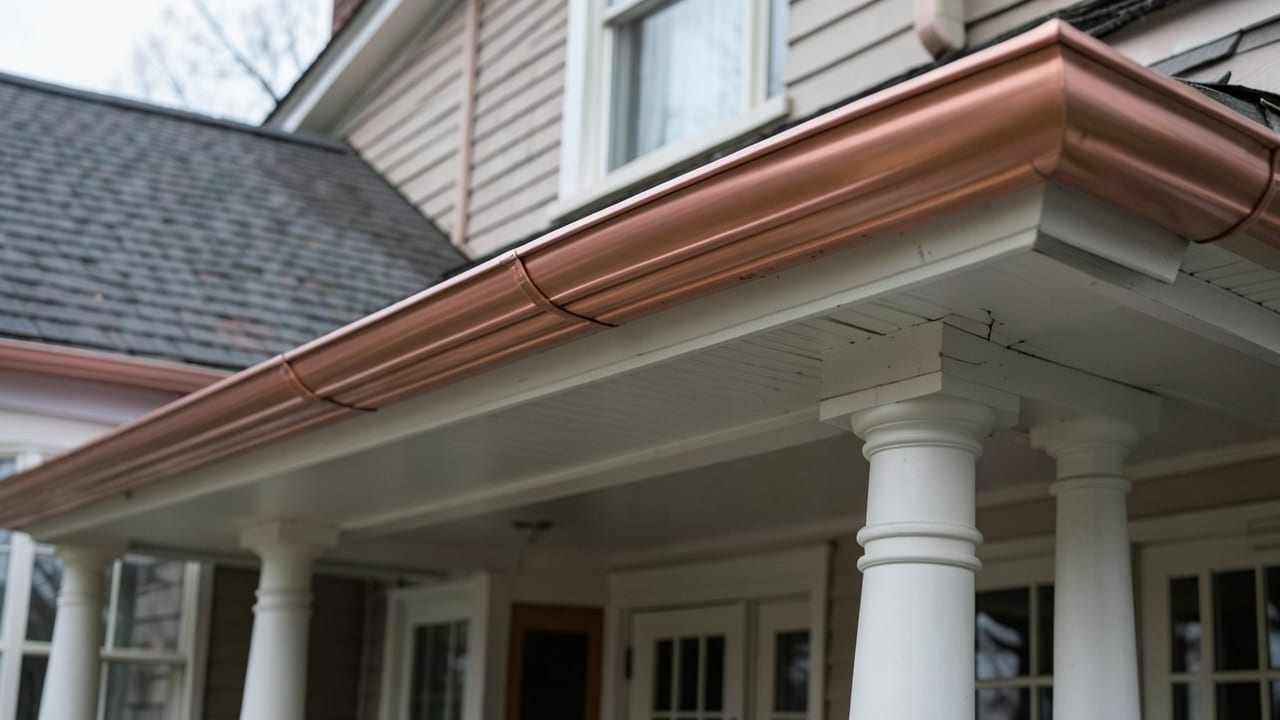
Pest Nest Gutter Clearance
Removal of pest nests and debris from gutters to restore proper water flow.
Pest Nest Gutter Clearance in Redmond, WA, tackles the unique challenges of gutters clogged by animal nests, leaves, and debris. Local pests like birds, squirrels, and insects often build nests in gutters, blocking water flow and risking roof and foundation damage. A thorough clearance ensures proper drainage while addressing hardware issues and preventing future clogs.
Why pest nests clog gutters (and how to spot them)
Pest nests in gutters are more than just an eyesore—they trap moisture, accelerate rust, and create ideal conditions for mold or structural damage. Unlike seasonal leaf buildup, nests (from birds, wasps, or rodents) signal a longer-term neglect, as routine cleanings disrupt their formation.
We also handle Gutter Splash Block Installation and Clogged Gutter Debris Removal for Redmond properties.
Look for sagging gutter sections, dark streaks on siding from overflow, or visible nests. Weeds or seedlings growing *directly* from the trough mean decomposed debris has been sitting for months, not weeks. A downspout flush test is the only way to confirm the system works after clearing—surface debris removal isn’t enough if the outlet is blocked.
Signs Your Gutters Need Pest Nest Clearance
- Water visibly pouring over the front edge of gutters during rain (not draining through downspouts)
- Dark streaks or water stains on siding directly below gutter sections (indicates overflow at that exact spot)
- Visible nests (birds, wasps, rodents) or excessive debris packed tightly into the trough
- Sagging or pulling-away gutter sections (carrying more weight than designed for)
- Weeds, grass, or small tree seedlings growing *inside* the gutter (sign of long-term buildup)
What affects pricing and timing?
Pest nest clearance pricing depends on debris volume, roof complexity, and hardware repairs needed—not just linear footage. Two-story homes or steep roofs add 25–40% to labor costs due to safety requirements. Local tree cover (especially pines or leaf-heavy species) dictates how often clearances are needed: properties under heavy canopy may require bi-annual visits, while others manage once a year.
Avoid flat-rate quotes without scope details. Hidden costs include downspout clearing (often excluded), debris haul-away, or damage assessments. Always ask if the visit includes a hardware check—loose brackets or separated seams caught early prevent costly repairs later.
Redmond-specific considerations
Redmond’s mix of evergreen forests and residential areas means gutters face heavy debris from pine needles, seed pods, and twigs—especially under overhanging branches. Trimming branches *directly* above gutters reduces recurrence more than trimming peripheral foliage. Post-storm checks (even without heavy rain) catch sudden debris buildup before it compacts.
Local regulations may require licensed gutter cleaning; confirm this upfront. Debris disposal methods vary—bagged debris left on-site isn’t the same as hauled-away waste, which can add $50–$150 to the job. Always request a written scope detailing story count, downspout inclusion, and damage checks.
| Debris Source | Recurrence Risk | Mitigation Tip |
|---|---|---|
| Overhanging pine branches | High (needles/seeds clog quickly) | Trim branches *touching* the roof, not just nearby |
| Leaf-heavy trees (maple, oak) | Moderate (gradual buildup) | Clear gutters post-fall/winter storms |
| Animal nests (birds, rodents) | Ongoing if unchecked | Bi-annual clearances disrupt nesting |
| Seed pods (cedar, fir) | High (compact into sludge) | Flush downspouts after heavy wind events |
How pest nest gutter clearance works
- 1Roofline Walkthrough
A visual inspection identifies sagging sections, separated seams, and downspout blockages before any debris is removed. This sets the scope based on actual conditions, not assumptions from the ground.
- 2Hand Removal Toward Downspouts
Debris is cleared *toward* downspout outlets using scoops or hands, not away—preventing loosened material from compacting deeper into blockages. Pest nests are fully dismantled to avoid regrowth.
- 3Downspout Flush Test
Water is run through each downspout from the top to confirm free flow. A clean trough with blocked outlets still causes overflow, so this step proves the system works.
- 4Hardware and Fastener Check
Loose brackets, pulled spikes, or separating end caps are noted while crews are at the gutter line. Addressing these early prevents sections from pulling away during storms.
- 5Rinse and Documentation
Gutters and rooflines are rinsed of dust, and photos of cleared sections/hardware condition are kept on file. These serve as a record of what was found, not just the job’s appearance.
Frequently asked questions
How do I know if my gutters have a pest nest vs. just leaves?
Pest nests (birds, rodents, wasps) often include visible nesting material like twigs, mud, or shredded paper. Unlike leaves, nests are packed tightly and may have live insects or droppings. Sagging gutters or dark streaks on siding below the nest site are also red flags.
Will clearing the gutters fix a leaky roof?
Not directly—clogged gutters can cause water overflow that damages roof edges over time, but leaks usually stem from cracked shingles or flashing issues. A clearance prevents *future* damage by ensuring proper drainage, but roof repairs may still be needed.
How often should I schedule pest nest clearances in Redmond?
Properties under heavy pine or leaf canopy may need bi-annual clearances (spring/fall), while others manage once a year. Post-storm checks (even with light rain) catch sudden debris buildup. Trimming overhanging branches *directly* above gutters extends time between cleanings.
Do you remove the debris, or do I have to haul it away?
Debris is typically hauled away unless specified otherwise, but disposal methods can affect cost. Bagged debris left on-site isn’t the same as professional removal—always confirm upfront to avoid unexpected fees.
Where Redmond sits, and what the Census lists nearby
Redmond sits in Washington, and the closest places listed in the U.S. Census Gazetteer are Union Hill-Novelty Hill (4.3 miles east), Kirkland (4.3 miles west), Cottage Lake (5.1 miles north), Yarrow Point (5.4 miles southwest). Within 25 miles of Redmond the same source lists 104 distinct incorporated places and census-designated places. Those figures matter for pest nest gutter clearance because they are straight-line distances between Census coordinate points: road mileage between Redmond and Union Hill-Novelty Hill runs longer than the 4.3 miles shown, which is why quotes for the same job differ between towns that look close together on a map. Source: U.S. Census Bureau Gazetteer.
See Duvall, WA for more, or check out the full gutter cleaning lineup we run in Redmond in one place for our complete lineup.
Ready to get started?
Talk to a local gutter cleaning pro in Redmond — get a written quote.
Other Gutter Cleaning Services in Redmond
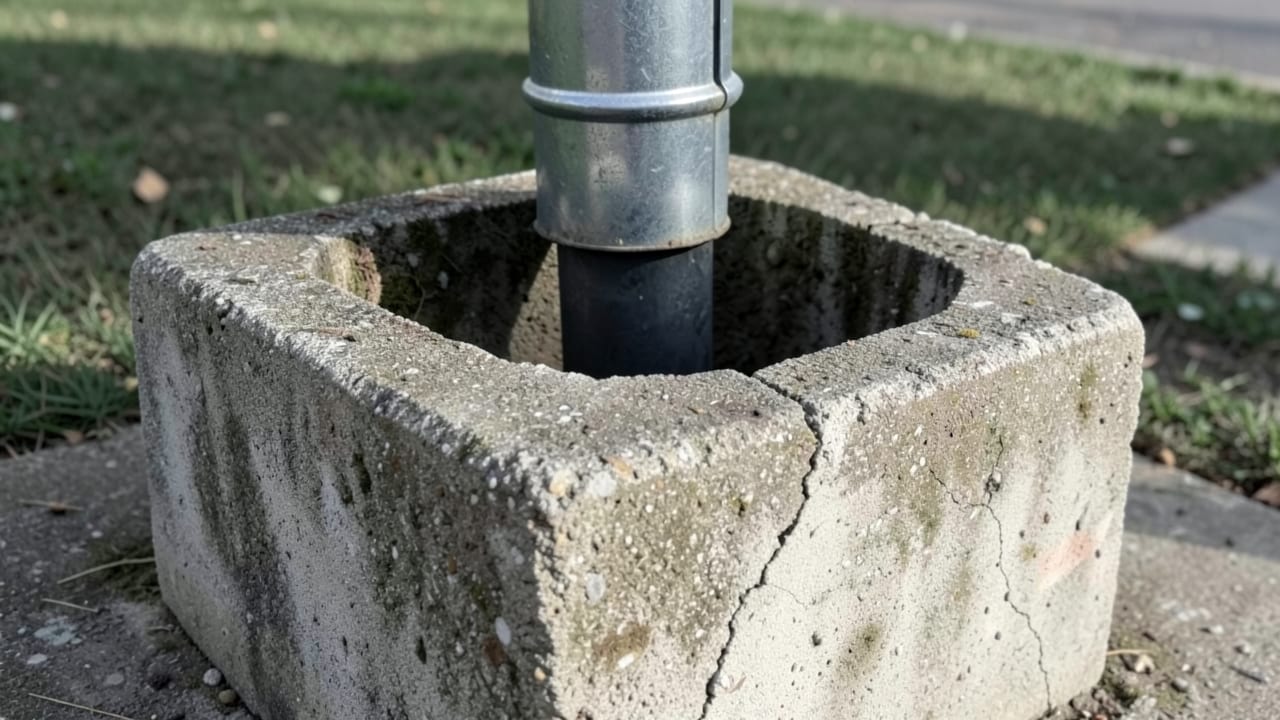
Gutter Splash Block Installation in Redmond, WA
Installation of splash blocks to direct gutter runoff away from foundations.
Learn More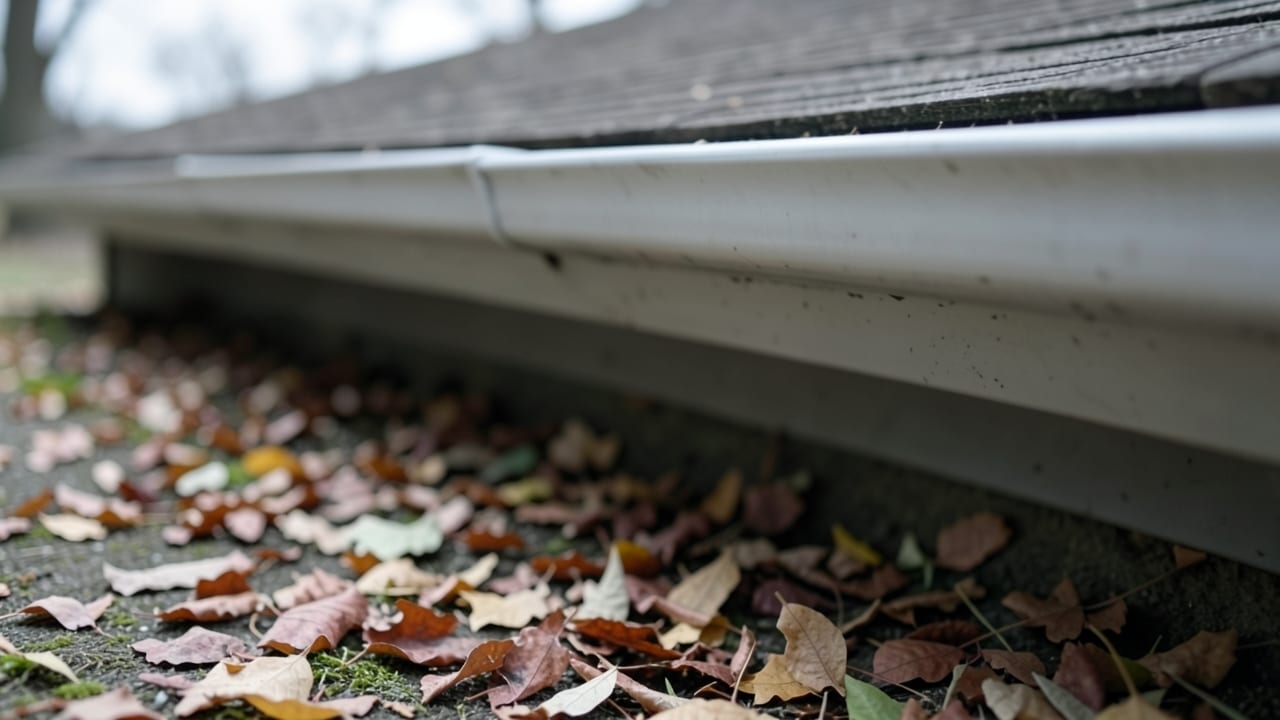
Clogged Gutter Debris Removal in Redmond, WA
Removal of leaves, twigs, and sediment from gutters to restore proper water flow.
Learn More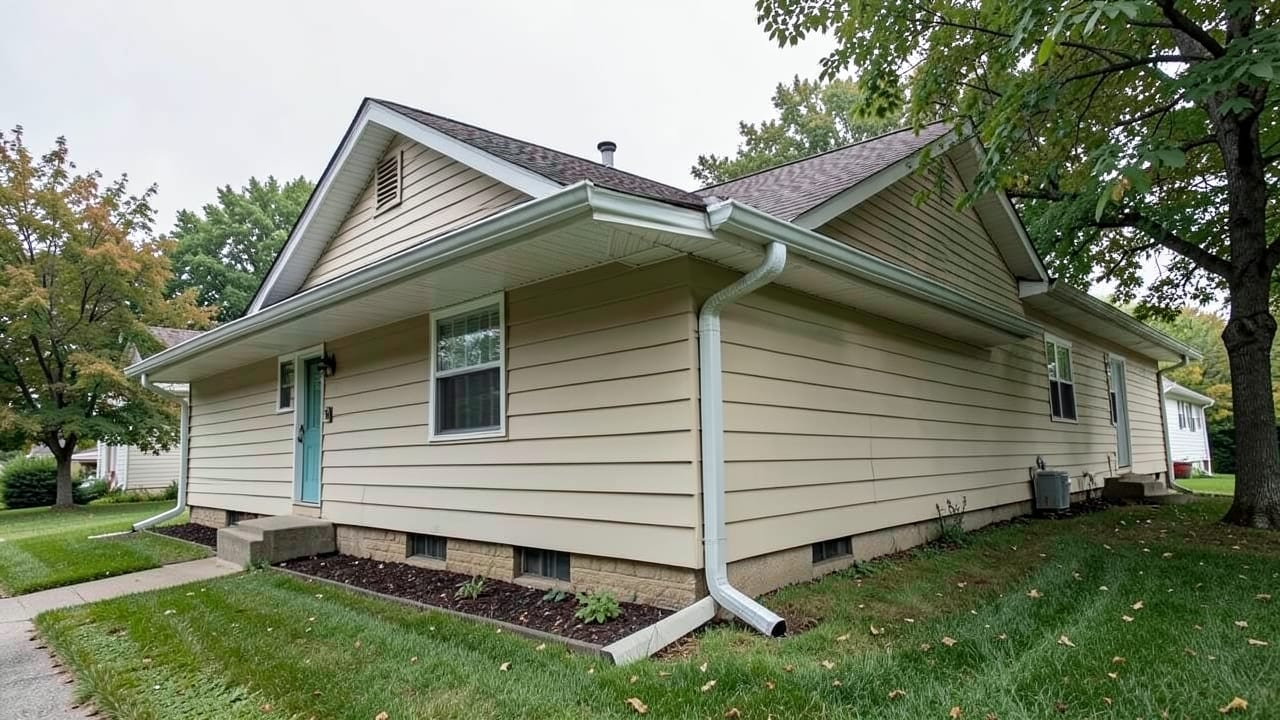
Overflowing Gutter Water Diversion in Redmond, WA
Redirecting excess gutter water to prevent damage and erosion around the home.
Learn More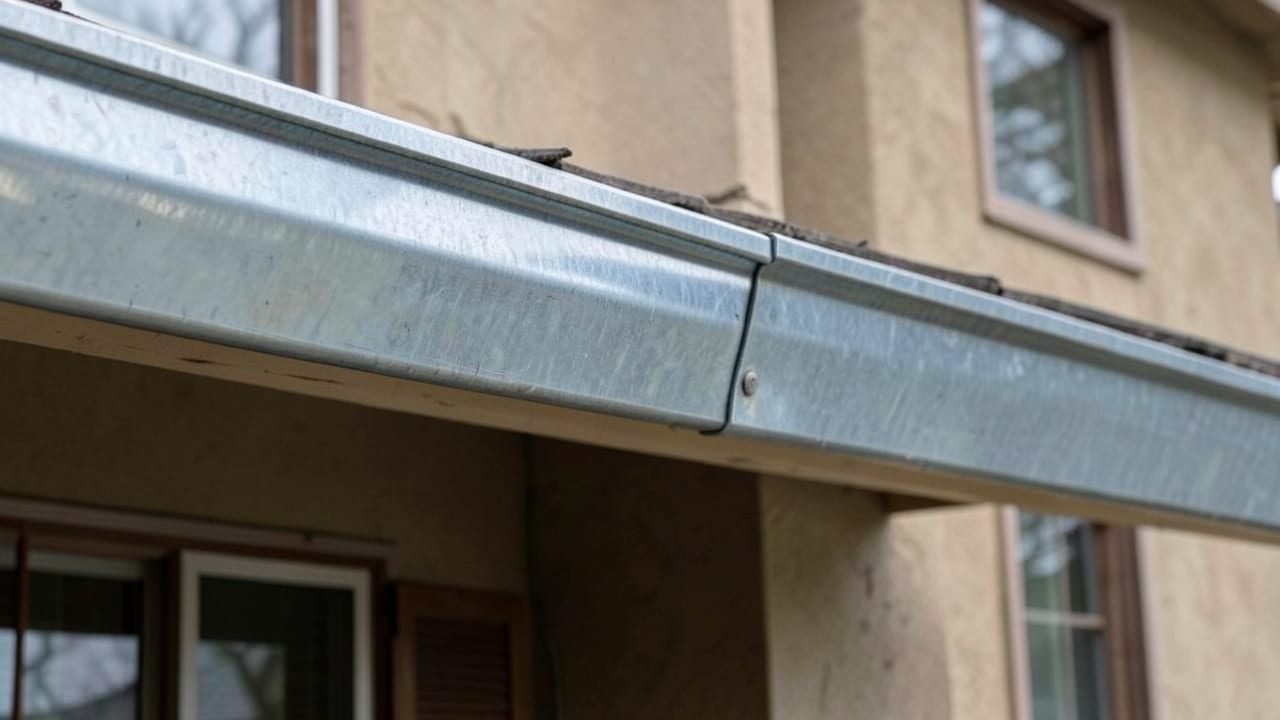
Rusted Gutter Section Replacement in Redmond, WA
Replacing damaged or rusted gutter sections to restore proper drainage and prevent water damage.
Learn More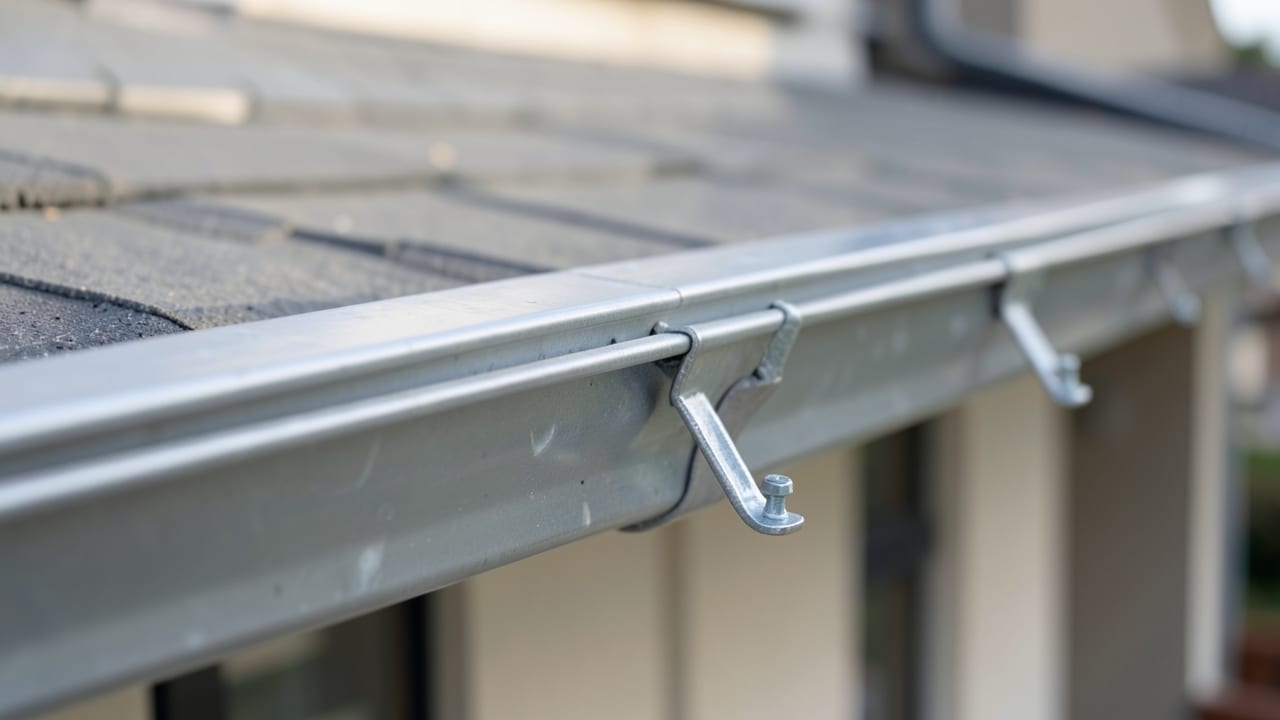
Sagging Gutter Reinforcement in Redmond, WA
Reinforcing sagging gutters to restore proper drainage and prevent water damage.
Learn More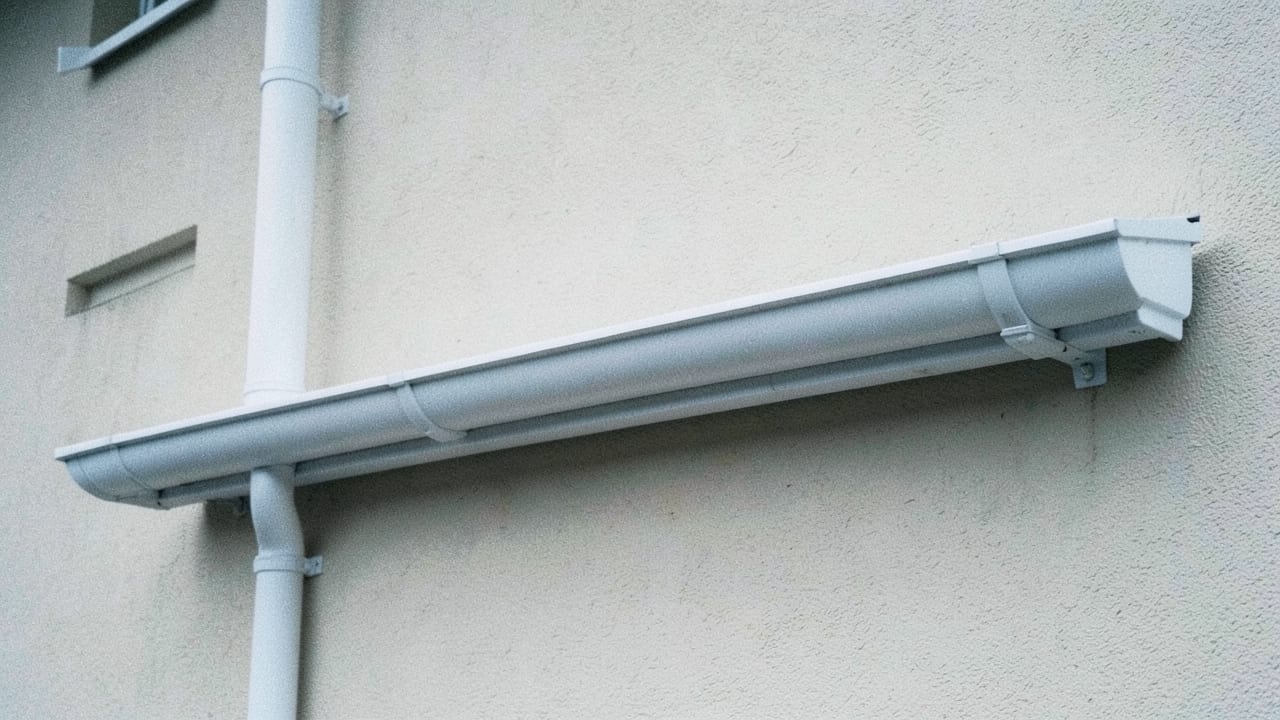
Moldy Gutter Sanitization in Redmond, WA
Removal of mold, mildew, and debris from gutters to restore proper water flow.
Learn MoreCommon Questions About Gutter Cleaning in Redmond
Everything you need to know about gutter cleaning services in Redmond
How much does Pest Nest Gutter Clearance typically cost in Redmond, WA?
How does tree cover around Redmond, WA change gutter maintenance needs?
Can gutters be cleaned safely from the roof instead of a ladder?
Can standing water in clogged gutters attract pests?
How often do gutters actually need to be cleaned?
Do gutter guards eliminate the need for cleaning?
Need Gutter Cleaning in Redmond?
Get a written quote from our Redmond crew.
⏰ We answer your call • Serving all of Redmond and surrounding areas